Apple Raises Folding Phone Targets
The tech giant has significantly increased production quotas for its new folding device following unexpectedly strong initial sales.
By Thomas Reynolds ·
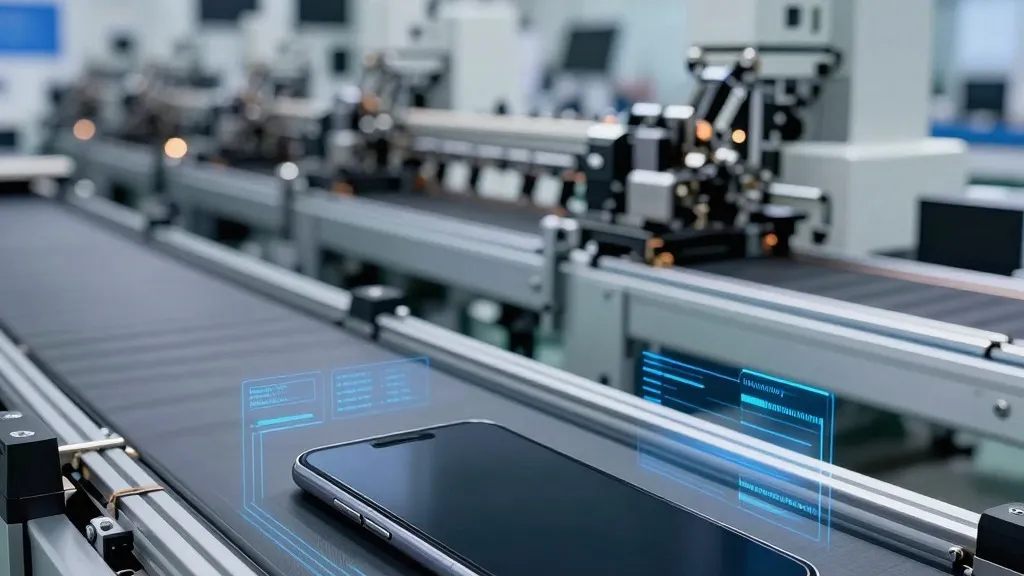
Apple has substantially increased its manufacturing orders for the iPhone Duo, lifting targets by more than 40 percent. This adjustment follows a surge in pre-order activity that the company characterized as extraordinary. Supply chain analysts indicate that the move is a direct response to sustained high demand, ensuring that shipment goals are met without significant delays.
Pre-orders for the device opened on Friday, October 16. Almost immediately, customers reported that estimated delivery windows had extended considerably. Some initial estimates pushed fulfillment dates into late January, creating uncertainty about whether the delay stemmed from insufficient inventory or overwhelming consumer interest. Apple attributed the extended wait times to the unprecedented volume of orders for its first folding smartphone. To mitigate the risk of bulk purchasing by resellers, the company imposed a limit of two units per customer.
In the days following the launch, many early buyers received updated notifications showing earlier estimated shipping dates. This shift aligns with recent reports from DigiTimes, which cite supply chain sources indicating that Apple has ramped up production. The company expects the strong demand to persist throughout the initial sales period. Consequently, Apple has raised its shipment target for the first twelve months from 9.7 million units to 14 million units.
Despite the production boost, early adopters are encountering software limitations. Third-party applications have not yet been fully optimized for the new hardware. Apple states that the situation is improving rapidly as developers adapt their software to support the device. Initial reviews based on one week of usage consistently highlight app support as a primary area for improvement among the five key takeaways.
Another notable aspect of the device has been the inclusion of Touch ID, which some observers viewed as a step back from previous biometric standards. However, a new report indicates that Apple is already testing prototypes for the iPhone Duo 2. These next-generation models are reportedly under evaluation for the integration of Face ID, suggesting a return to the facial recognition system in future iterations.
The company’s decision to increase production underscores its confidence in the market reception of the folding form factor. By adjusting supply to match demand, Apple aims to stabilize delivery timelines and maintain customer satisfaction. The shift from a cautious launch to an accelerated production schedule reflects a strategic pivot to capitalize on the current momentum.
As the device moves into wider distribution, the focus will likely shift to software stability and developer ecosystem growth. The increased production numbers provide a buffer against potential supply constraints, allowing Apple to manage logistics more effectively. The upcoming integration of advanced biometric features in subsequent models will also be a key point of interest for consumers and analysts alike.
Source: 9to5Mac