COP31 Climate Summit Ends Without Agreement After Fossil Fuel Controversy
The UN climate talks in Turkey collapsed after member states rejected a draft deal that failed to explicitly mention fossil fuels, marking the first failure since 2009.
By Francesco Flores ·
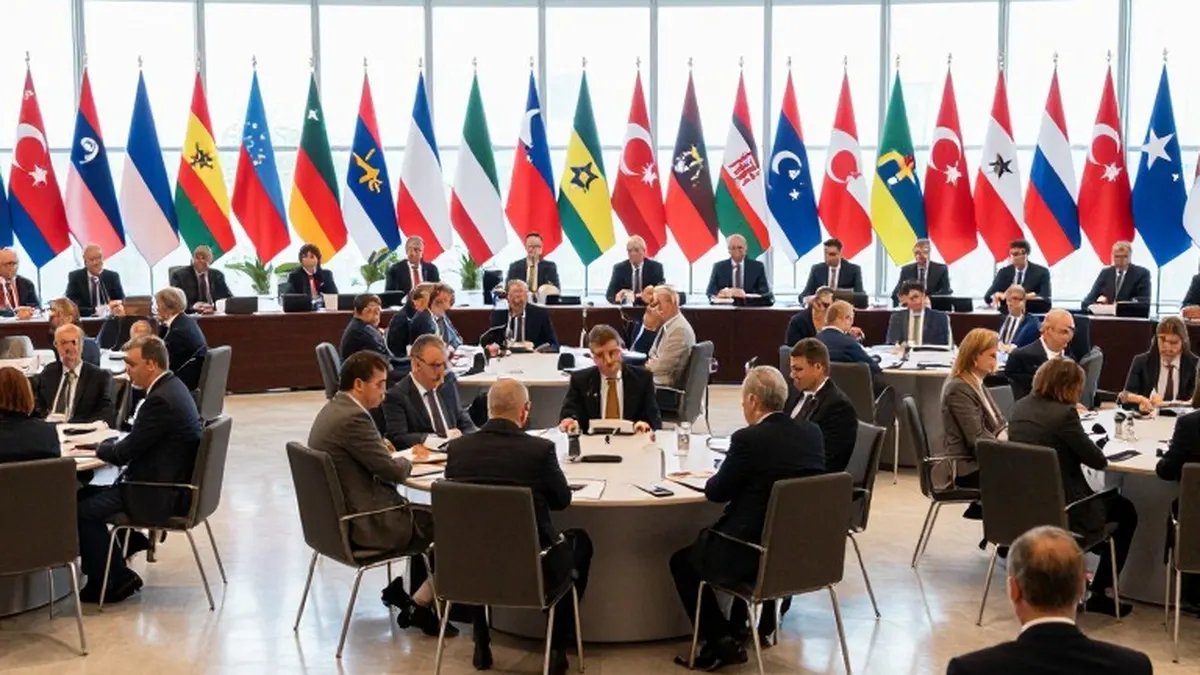
The annual United Nations climate summit concluded on Sunday in Antalya, Turkey, without reaching a final agreement. This outcome marks the first time since the 2009 Copenhagen conference that the global talks have ended without a consensus deal. The event, known as COP31, was the longest UN climate summit in history, spanning over two weeks with participation from nearly 200 countries, scientists, and business leaders.
Despite efforts to extend negotiations past the Friday deadline into the weekend, the final draft was rejected. The primary point of contention was the omission of any reference to fossil fuels in the text. The European Union, along with other member states, argued that the proposal did not go far enough to address the severity of the climate crisis. They refused to endorse a deal that ignored the main drivers of global warming.
Murat Kurum, the president of COP31, stated that the host nations had done all they could to facilitate a decision. He noted that with 196 countries involved, the final decision rested with the member states, and he expressed disagreement with the focus on specific wording. Kurum argued that the emphasis on a single term could hurt those expecting tangible outcomes from the conference.
Oil-producing nations, including Saudi Arabia, reportedly lobbied to remove mentions of fossil fuels from the final document. Instead, they pushed for a greater focus on carbon capture and storage technologies. A representative from the Saudi delegation expressed surprise at the resistance to these technologies, suggesting that concrete solutions should not be removed from consideration if the climate challenge is truly urgent.
Environmental advocates have long warned against an overreliance on carbon capture technology. They argue that it could extend the global dependence on fossil fuels. Experts have also cautioned that while carbon capture is important, it is not sufficient on its own to reverse global warming. Russia also opposed the inclusion of fossil fuels in the agreement, aligning with the position of other major emitters.
Beyond the language used, climate finance was a significant sticking point. Developing nations argued that the draft did not allocate sufficient funds to help them adapt to the impacts of climate change. The delegation from the Philippines emphasized that a target without adequate means is merely a promise without a pathway. They called for full mobilization of finance to drive mitigation, adaptation, and technology transfer.
Kenya’s delegation highlighted that Africa’s specific needs were not adequately represented in the text. They noted that while the draft mentioned least developed countries and small island states, it did not explicitly name Africa. The Kenyan representative urged partners who led in emissions to lead in providing the financial support necessary to make the agreed ambitions possible.
The European Union’s joint statement, delivered by Irish Environment Minister Darragh O'Brien and European Commissioner Wopke Hoekstra, declared that they would not accept a COP that greenwashes fossil fuels. They stated that the draft fell short at a time when the world urgently needs action to avert disastrous levels of global warming.
Reactions to the collapse of the talks began appearing online early Sunday. Amnesty International’s climate justice policy adviser, Ann Harrison, described the rejected text as a colossal betrayal that failed to name fossil fuels while opening the door to risky technologies. UN Secretary General António Guterres expressed deep disappointment on social media, stating that the setback does not change the facts and that the world must do much more to confront the crisis.
This year’s summit carried heightened stakes as it was the first to occur after the UN confirmed in October that global temperatures are set to exceed the 1.5 degree Celsius threshold established in the Paris Agreement. The collapse of the talks comes against a backdrop of competing global crises, including wars and cost of living concerns, which have distracted political attention. The next UN climate summit is scheduled to take place in Addis Ababa, Ethiopia, next year.