Detainee Funds: South Sudan guards kept money from U.S. deportees' families
Families of migrants held in Juba report paying thousands of dollars for basic necessities, but detainees describe days without food or clean water.
By Francesco Flores ·
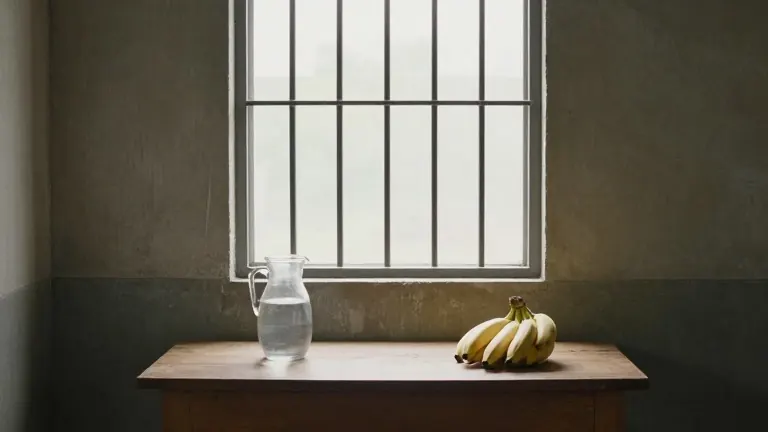
Families of migrants detained in South Sudan paid guards thousands of dollars to secure food and water for their relatives, but detainees say the funds were largely kept by the officers, a new investigation reveals. The payments occurred while five individuals deported by the United States government remained held in Juba under conditions they described as severe. The discrepancies between the money sent and the supplies received have raised questions about oversight in a country with limited resources.
Ngoc Phan, a U.S. citizen, sent approximately $4,000 to her husband Tuan Phan, who was detained in Juba for nearly a year before being sent to Vietnam in June 2025. Phan stated that the guards solicited the cash, telling her it would improve his living conditions. Instead of receiving meals or a phone, Tuan Phan reported receiving small amounts of fruit and nuts. He lost 20 pounds during his confinement in a gated three-story building and said tensions with the guards increased as supplies ran out.
Money transfer receipts and messages reviewed by The Associated Press show that four families made payments ranging from $100 to $1,000 to individuals identified as guards. One receipt documents a $1,000 transfer made after a guard demanded funds for clothes needed for travel. Tuan Phan said that up to a dozen guards lived in the facility, consuming the limited food and water. At times, detainees went days without eating or collected rainwater for drinking. Blackouts from fuel shortages and plumbing failures also plagued the building.
The detainees were brought to South Sudan under agreements struck by the Trump administration, which has sent thousands of migrants to more than 30 countries that are not their home nations. South Sudan accepted the deportees while seeking sanctions relief and other concessions from the United States. A spokesperson for the South Sudanese Foreign Ministry stated that detainees receive adequate care and that the government covers all costs, contradicting the accounts provided by families and lawyers.
Alma David, a lawyer for one of the remaining detainees, noted that her client has been held for over a year without being charged with a crime. She described the process of removing people from their lives and holding them in a distant country. Relatives of the remaining detainees say they lack confidence that conditions will improve without external pressure. The U.S. Embassy in Juba has been instructed not to visit the detainees, according to a congressional aide who spoke with staff in August 2025.
The United Nations International Organization for Migration stated it cannot intervene without a request from the South Sudanese government. A South Sudanese Foreign Ministry statement asserted that the U.S. has relinquished all legal jurisdiction over the individuals. The five remaining detainees continue to be held in Juba as their families await news of their release.