Girl Scout cookie sales fund local camps and trips
A century-old tradition of selling shortbread has evolved into a major source of funding for troop activities, with modern payment methods replacing cash boxes.
By Petra Malhotra ·
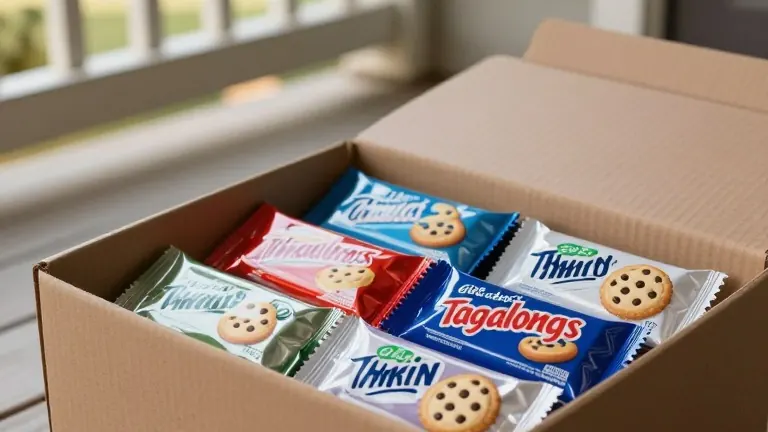
Girl Scout troops across the country rely on annual cookie sales to finance camp trips, community projects, and other activities. The funds generated from these sales ensure that scouts from families with limited budgets can still participate in group events. This financial model has sustained the organization for more than a century.
The tradition began more than 100 years ago with a bake sale run by a troop in Muskogee, Oklahoma. Early scouts shared recipes for shortbread cookies that were simple to bake. They wrapped the cookies in wax paper and sold them for 25 cents per dozen. The grassroots approach spread rapidly across the United States, establishing a durable model for youth entrepreneurship.
Sales methods have shifted dramatically since the early days of counting quarters in cash boxes. Scouts today frequently use credit card swipes or display QR codes to complete transactions. This change accommodates the decline of cash payments and streamlines the selling process for young vendors. The shift reflects broader changes in how consumers handle everyday transactions.
The product lineup has expanded to meet changing dietary needs and preferences. Current options include gluten-free, nut-free, and vegan versions. The organization also sells specific cookies designed for dogs. Popular human varieties remain unchanged, including Thin Mints, shortbreads, chocolate-covered peanut butter cookies, and Tagalongs. Consumers often show strong loyalty to the flavors they consumed during their own childhoods.
Other brands have attempted to capitalize on the popularity of these specific flavors. Companies have released products such as cookie-scented candles, Thin Mint-flavored coffee, and Lemon-Up donuts. Personal care items, including shampoo and deodorant, are also scented to mimic Do-si-dos. These external products illustrate the cultural footprint of the original Girl Scout recipes.
The core value of the cookie sale extends beyond the treat itself. For many families, the process teaches children how to approach strangers and manage inventory. Scouts learn to find their voice when interacting with adults over an order sheet. Some participants focus on competing for the highest sales numbers, while others enjoy the practical aspects of managing stock. The proceeds from each box sold directly support the local troop's operational costs.
The arrival of cookie season remains a predictable event for many households. Scouts deliver boxes door to door, set up tables outside grocery stores, or receive deliveries via drone. The annual cycle continues to provide a tangible link between community commerce and youth development. The tradition persists as a standard part of the American retail calendar.