New Knesset committees launch push to reverse judicial and media reforms
Special parliamentary panels begin work on repealing controversial laws passed by the previous government, while coalition talks continue amid a tight legislative schedule.
By Francesco Flores ·
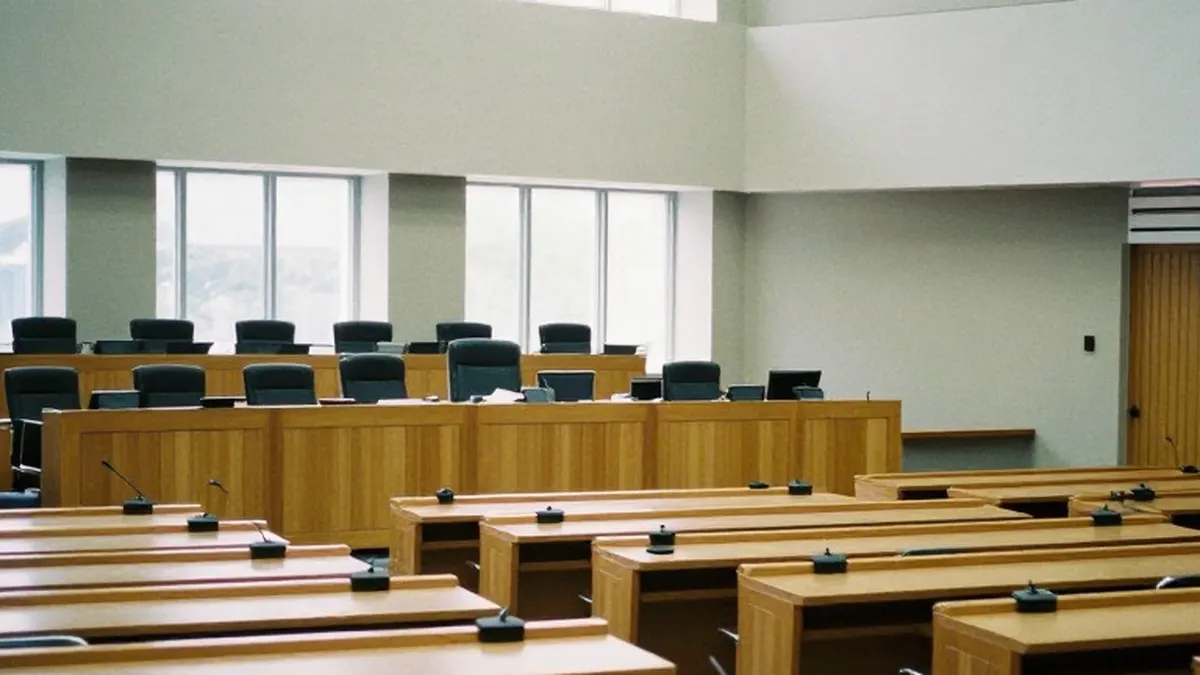
Two new special committees in the Israeli Knesset are set to begin work on Monday. These panels have been assigned the task of repealing controversial legislation that increased political control over the judiciary, weakened the authority of the attorney general, and expanded government influence over the media. The move is part of a broader legislative agenda driven by the bloc led by Gadi Eisenkot, who chairs the Yashar party.
The temporary committees will first vote to install their respective chairs before preparing for further votes on legislation that passed preliminary readings in the plenum last week. This legislative blitz aims to fulfill campaign pledges to reverse what Eisenkot’s bloc describes as anti-democratic laws enacted by the outgoing coalition. The Arrangements Committee is also expected to approve the creation of four additional special committees on Monday. These new panels will focus on topics such as combating crime in Arab society and overseeing the prosecution of suspects linked to the October 7 massacre.
Eisenkot and his allies are leveraging their parliamentary majority to advance these bills, even as coalition negotiations continue without a clear resolution. His four-party bloc, which includes Yashar, B’Yachad, Yisrael Beytenu, and the Democrats, holds 48 seats. When combined with the 19 seats held by the Arab-majority Ra’am and Joint List parties, the total reaches 67 seats, compared to 53 seats for the pro-Netanyahu bloc.
The legislation must pass three additional readings to become law, creating a tight timetable for lawmakers. Eisenkot is currently in the third week of his initial four-week mandate to form a government. While he may be granted a two-week extension, a failure to assemble a coalition would likely transfer the mandate to Netanyahu. In that scenario, Netanyahu’s bloc could gain control of the powerful Arrangements Committee, which determines the composition and jurisdiction of parliamentary committees.
Separately, Yisrael Beytenu MK Oded Forer and other members of Eisenkot’s bloc plan to bring a bill to a preliminary reading on Wednesday. The bill seeks to limit prime ministerial terms to eight years in total and bar indicted politicians from forming a government. This legislation targets Benjamin Netanyahu, who has served as prime minister for 19 years across three separate stints and has been on trial for six years for bribery, fraud, and breach of trust.
According to Channel 12, the bill is expected to pass its preliminary reading but may not move further due to potential unconstitutionality. The network speculated that the legislation serves as leverage in coalition talks. The bill would prevent an indicted politician from receiving the mandate to form a government unless the Central Elections Committee chair determines the offenses do not involve moral turpitude. It would also end a sitting prime minister’s tenure if indicted on serious charges involving moral turpitude.
The bill would also repeal a 2023 law that restricted the circumstances under which a prime minister could be declared incapacitated. The High Court froze that law until a new government is formed, determining it was enacted to benefit Netanyahu. The 17-member special committee tasked with repealing key elements of the judicial overhaul will be chaired by Democrats MK Gilad Kariv. This committee will consider legislation reversing changes that increased political influence over judge appointments and weakened the attorney general’s authority.
One law passed in March reduced the judiciary’s influence over the Judicial Selection Committee by replacing bar association representatives with lawyers chosen by the coalition and opposition. It also granted veto powers to various blocs over court appointments. A second law, passed in July, would allow ministers to disregard the attorney general’s binding legal opinions and give the coalition control over the attorney general’s appointment and dismissal. The repeal bill aims to restore the previous composition and voting rules.
However, the bill concerning the attorney general is set to be transferred to a separate committee. This decision follows concerns raised by Knesset Legal Adviser Sagit Afik regarding a conflict of interest involving Kariv. Afik ruled in a letter that Kariv must not preside over these specific deliberations due to allegations that he leaked classified information from a closed-door meeting in June 2023. The case has been referred to Attorney General Gali Baharav-Miara.
A second temporary special committee, chaired by B’Yachad MK Merav Ben Ari, will begin deliberations on legislation repealing the media overhaul passed by Communications Minister Shlomo Karhi. That law expanded government control over broadcast media, removed oversight mechanisms, and increased influence over television ratings and state advertising. The repeal bill seeks to restore the previous regulatory framework, citing procedural flaws in the original legislation. Additional committees to address crime in Arab society, socioeconomic equality, and regional development are also expected to be approved.