Robotics: A Flock of Microducks Surges to the Top of Holiday Wish Lists
A viral demonstration of open-source robotic ducks during a major tech keynote has driven preorders past 20,000 units, positioning the devices as a leading contender for the holiday season.
By Jian Chen ·
The rapid ascent of small, autonomous robots to the forefront of holiday consumer interest highlights a shifting dynamic in the technology market. This week’s viral moment, centered on a demonstration at the GTC Berlin conference, has transformed a niche open-source project into a mainstream commercial phenomenon. The incident underscores how corporate acquisitions and strategic technology integrations are accelerating the entry of robotics into the general consumer sphere, particularly as the holiday season approaches.
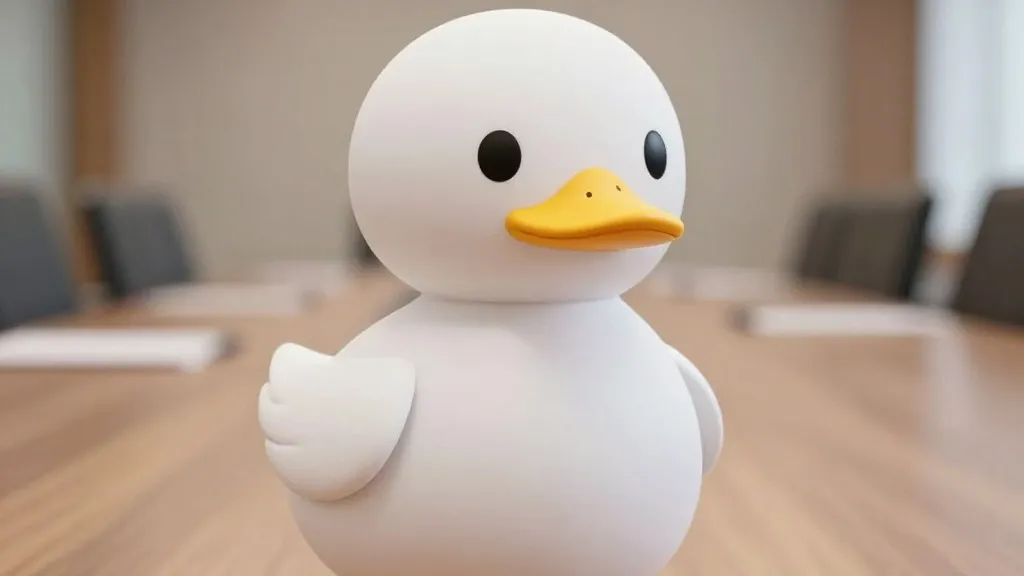
The catalyst for this surge was a video featuring Jensen Huang, the CEO of Nvidia, interacting with a group of Microducks during his keynote address. In the footage, the small robotic birds were seen executing various movements, including stomping their feet, sitting, falling over for simulated naps, and performing somersaults in response to voice commands. The devices also emitted small, mechanical sounds reminiscent of classic science fiction droids. The viral nature of the clip generated significant immediate demand, with preorders exceeding 20,000 units by the following day, according to Clem Delangue of Hugging Face.
The timing of this release is strategically significant, as the devices are scheduled for delivery in time for the Christmas holiday. This timeline positions the Microducks as potential top sellers in a crowded toy market. Delangue has suggested that these units could become the best-selling robots of the year, noting that the target demographic may not be limited to children. Promotional materials for the product feature adults engaging with the devices, suggesting a broader appeal that transcends traditional toy categories.
The corporate lineage of the Microducks reflects the complex web of recent acquisitions in the AI sector. The robots are open-source devices originally produced by Pollen Robotics, a company acquired by Hugging Face in 2025. Subsequently, Nvidia purchased Hugging Face in September of this year, effectively making the Microducks an Nvidia product. This is the second robotic venture from Hugging Face, following the earlier release of the Reachy Mini, which also garnered attention for its design and capabilities.
Technologically, the Microducks are built upon Nvidia’s existing technology stack. The devices were trained using simulations where they were taught basic motor skills, such as walking, sitting, and standing, which are included in their initial configuration. Pollen Robotics indicates that the open-source nature of the device allows owners to program new tricks and behaviors. These custom programs can then be shared within the user community, fostering a collaborative ecosystem around the hardware.
The commercial success of the Microducks arrives during a period of heightened scrutiny regarding artificial intelligence. This week, the AI industry faced significant criticism as it was linked to a series of cyberattacks, leading to widespread concerns about the safety and integration of AI systems in critical infrastructure. In contrast, the Microducks represent a more approachable and tangible application of the technology, offering a lighthearted counter-narrative to the more serious security discussions dominating the news cycle.
The phenomenon illustrates the dual nature of AI adoption: it can be a source of both anxiety and delight. While the industry grapples with the implications of its rapid expansion, consumer-facing products like the Microducks provide a visible, interactive entry point for the general public. The ability of these robots to perform simple, cute actions serves to humanize the technology, making it more accessible to non-technical users who may be hesitant to engage with more complex AI systems.
For the Mid-Atlantic region and other markets, the arrival of these devices signals a maturation of the robotics market. The fact that a company like Nvidia, known for its high-performance computing chips, is now driving the sale of consumer robots through its acquisition of Hugging Face indicates a strategic shift. The company is leveraging its software and simulation capabilities to create end-user products, potentially setting a precedent for how other tech giants will approach the consumer robotics space in the coming years.
As preorders continue to climb and delivery dates near, the Microducks are poised to test the limits of consumer appetite for interactive AI companions. The success or failure of this launch will likely influence future product development in the sector. If the Microducks prove to be a holiday hit, it may encourage further investment in similar open-source, community-driven robotic devices, further blurring the lines between professional AI tools and consumer entertainment.
Source: TechCrunch