Tesla Optimus Enters Production with Academy for Robot Training
Tesla is now manufacturing Optimus units for commercial use and developing a system to train them using its own fleet.
By Valentina Cruz ·
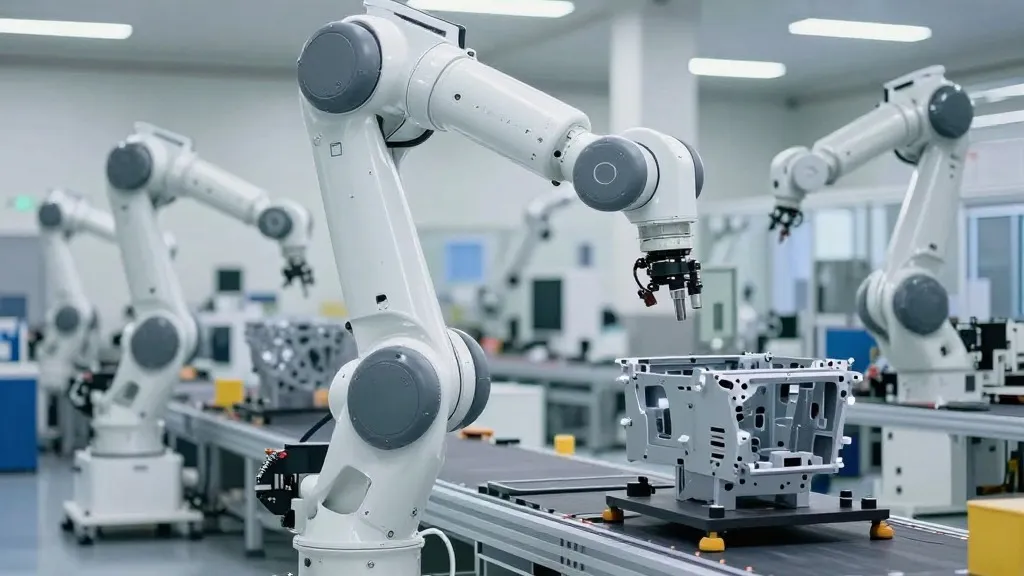
Tesla has begun manufacturing its Optimus robots on a production line designed for commercial-scale output, marking a key step in bringing the humanoid product to market. The company stated in its recent shareholder letter that the units currently being assembled are the first to meet the required quality standards for a real product, confirming the manufacturing process is suitable for commercialization. This move signals the company's confidence in its ability to produce the robots at scale, rather than just building prototypes.
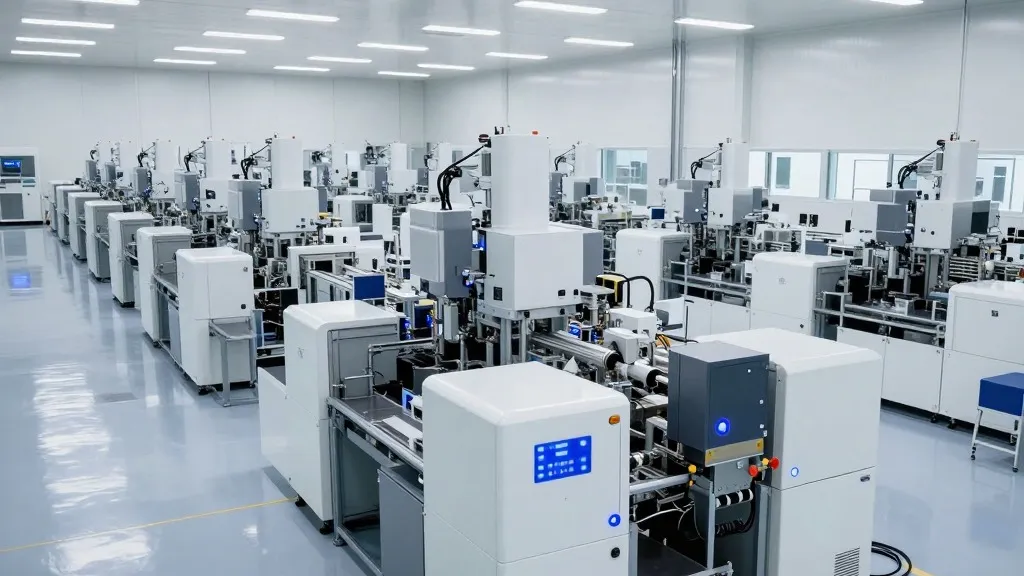
The timeline for this development is recent and rapid. Earlier this year, Tesla cleared the factory space in a 46-day period to install the necessary equipment for the line, which is now capable of producing up to one million robots annually. According to statements made on a recent earnings call, the line is expected to ramp up to a target of approximately 20,000 robots per week. The company is currently refining the robot's AI, electromechanical design, and reliability, with this work scheduled for completion by the end of next year. Deliveries to external customers for jobs in dangerous, repetitive, or around-the-clock roles are planned to begin after that.
To address the challenge of training these new units, Tesla is creating an Optimus Academy. Unlike its vehicle fleet, which generates real-world driving data from millions of cars, the company does not yet have a comparable network of robots to gather training information. The proposed solution involves using a large group of 10,000 to 20,000 Optimus units to practice a wide range of tasks. The data from these activities will then be used to improve the next version of the robot's software, with each unit produced serving as a source of training data.
Hardware upgrades are also planned for the program. The company intends to install its next-generation AI5 chip in the Optimus next year. Furthermore, a demonstration video is expected within a month or two, which is intended to show the robot performing tasks driven by its AI rather than pre-programmed instructions. The company's stated goal is to differentiate its product from other humanoid robots that only execute scripted routines, which are not considered viable for real-world applications.
The supply chain and manufacturing infrastructure are being built out to support these plans. In September, three companies were certified as mass-production partners for Optimus components. A much larger factory for the robot is also under construction at the Giga Texas facility, with a long-term production target of 10 million units a year. Additionally, the company reported that the production costs for Optimus are trending toward the expected manufacturing cost of its Cybercab vehicle, indicating the design is being engineered for volume from the start, though the hands remain the most difficult component to perfect.
Source: Teslarati